
Top 5 Smells Lizards Hate (And How to Use Them Effectively)
You’ve likely noticed lizards skitter away from certain strong odors how to get rid of lizards, but understanding which scents effectively deter them requires more than guesswork. Compounds like menthol in peppermint oil and eucalyptol in eucalyptus disrupt their sensory navigation, while sulfurous molecules from garlic and onion create an unwelcoming environment. Even naphthalene and camphor vapors irritate them, and textured barriers add another layer of defense. Knowing how to apply these methods precisely can make all the difference in keeping lizards at bay.

Top 5 Scents That Keep Lizards Away Naturally
Although lizards rely heavily on their keen sense of smell to navigate their environment igreenasia, certain natural scents disrupt their olfactory system and act as effective repellents.
You’ll find that essential oils like peppermint and eucalyptus emit compounds—menthol and eucalyptol—that lizards instinctively avoid due to their strong volatility.
Garlic, rich in sulfur-containing molecules, produces an odor that interferes with lizard sensory receptors, discouraging their presence.
Similarly, onion releases sulfurous compounds that serve as potent deterrents.
Lastly, the smell of coffee grounds, with its complex aromatic profile including caffeine and acidic elements, unsettles lizards.
Each of these scents targets lizards’ sensory sensitivity, enabling you to create a natural barrier without chemicals, preserving your freedom to manage your space sustainably and humanely.
How and Why These Scents Repel Lizards
When you apply these natural scents, they interfere directly with a lizard’s olfactory receptors, disrupting their ability to detect environmental cues essential for survival. Lizards rely heavily on their sense of smell to locate food, recognize predators, and navigate their territory.
Compounds in these scents—such as menthol, eugenol, and limonene—bind to receptor sites, effectively masking or altering signals. This sensory confusion causes lizards to avoid treated areas, perceiving them as hostile or unsafe.
Additionally, some scents trigger neurological responses that induce stress or discomfort, further repelling them. By understanding these biochemical interactions, you can strategically use specific natural odors to create an inhospitable environment for lizards without harming them, thus preserving your freedom to control your space naturally and effectively.
Using Peppermint Oil to Keep Lizards Away
Among the natural scents that disrupt lizard olfactory receptors, peppermint oil stands out for its potency and accessibility.
You can use it effectively by leveraging its strong menthol compounds, which interfere with lizard sensory neurons, causing avoidance behavior.
To maximize results, apply peppermint oil strategically:
- Soak cotton balls in peppermint oil and place them near entry points or lizard-prone areas.
- Mix peppermint oil with water in a spray bottle and mist affected surfaces regularly.
- Combine peppermint oil with other deterrents for synergistic effects against lizard presence.
This approach leverages peppermint oil’s volatile organic compounds to create an environment lizards find inhospitable, granting you freedom from unwanted reptilian guests.
Remember to refresh applications every few days to maintain efficacy, as the scent disperses naturally over time.
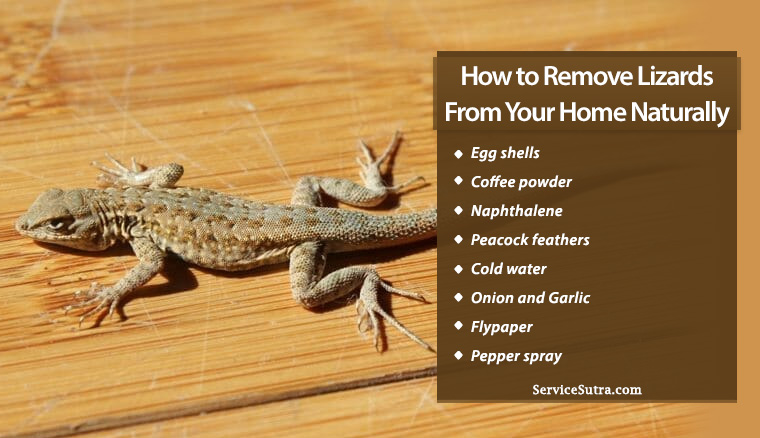
Repelling Lizards With Garlic, Onion, Naphthalene, and Camphor
Since lizards rely heavily on their sense of smell to navigate their environment, you can exploit this by using strong-smelling substances like garlic, onion, naphthalene, and camphor.
The sulfur compounds in garlic and onion emit potent odors that irritate lizards’ olfactory receptors, deterring them from entering treated areas.
Naphthalene, commonly found in mothballs, releases volatile hydrocarbons that disrupt lizard sensory processing, creating an inhospitable space.
Camphor’s crystalline form sublimates easily, producing a sharp scent that lizards avoid instinctively.
To use these effectively, place crushed garlic or onion near entry points, or position naphthalene and camphor in ventilated containers around problem areas. Be cautious with naphthalene and camphor indoors due to potential toxicity.
Creating a Lizard-Free Zone With Eggshell and Coffee Grounds
Although lizards depend on their keen sense of smell, their aversion to certain textures and organic materials can also be leveraged to keep them at bay. By strategically placing crushed eggshells and used coffee grounds around your living space, you create a natural barrier that lizards avoid due to unpleasant tactile sensations and strong odors. Eggshells’ sharp edges irritate their delicate skin, while coffee grounds emit compounds that disrupt their sensory receptors.
To establish an effective lizard-free zone, consider these steps:
- Scatter finely crushed eggshells around entry points and garden beds.
- Spread used coffee grounds in flower pots, patios, and along windowsills.
- Refresh applications regularly to maintain the potency of odors and textures.
This method offers a chemical-free, sustainable solution that preserves your freedom from unwanted reptilian visitors.
Conclusion
By using these top five scents—peppermint oil, eucalyptus, garlic, onion, naphthalene, and camphor—you can effectively deter lizards through their sensitive olfactory systems. Applying diluted oils near entry points and placing crushed cloves or textured barriers like eggshells disrupts their behavior and habitat preference. Consistent application and strategic placement ensure sustained repellency, creating an inhospitable environment for lizards without harmful chemicals. This approach offers a precise, natural solution for lizard control.
